
In the world of content creation, SEO duplicates often behave much like the automated, repetitive output you might see from an uninformed LLM. They look fine on the surface, may even feel accurate, but underneath they weaken your visibility, dilute your authority, and quietly sabotage your entire SEO ecosystem. The danger grows when these duplicates go unnoticed—because while they sit silently in your system, they steadily erode your search rank and credibility.
To understand why this problem is so damaging, it’s important to look at duplicate content within the bigger picture of modern SEO. Today, SEO is more than a set of tricks; it’s the foundation of digital success.
The Importance of SEO in Modern Business
We’re in a super competitive online world, and companies can’t rely on chance or old-school marketing tricks anymore. SEO—Search Engine Optimization—has become a key part of running a business. It links your brand to the right people when they need you. It’s not just about getting to the top of Google; it’s about using data to make smart choices that push your company ahead.
Done correctly, SEO translates straightforward search queries into significant business value. It recognizes the market gaps, lures the high-intent customers, and devises the growth strategies that are sustainable. No matter if it is a blog, a SAAS platform, or a corporate site that you are operating, SEO is the one that grants you visibility, authority, and traction.
Another emerging trend is the demand for SEO locate tools that assist companies in determining their precise positions in local or global search results. Businesses equipped with appropriate tools and strategies can identify their drawbacks and transform insights into actions.

The Silent Damage Caused by SEO Duplicates
Before diving into the core components of an effective SEO strategy, let’s uncover why SEO duplicates are such a serious threat.
Search engines aim to provide users with the most relevant, original content. When they detect duplicates—multiple pages carrying nearly identical text—they struggle to determine which one is the “real” or “authoritative” version. The result?
Your rankings drop, important pages get ignored, and your overall domain authority suffers.
Duplicates can occur for many reasons:
- Automated content creation
- Accidental copying during site updates
- Similar product descriptions across multiple pages
- Reposting content without proper canonical tags
- Poorly configured CMS or e-commerce filters
In the eyes of search engines, duplicates equal confusion. And confusion leads to lost visibility.
This is why every SEO Specialist must monitor duplication regularly. When left unmanaged, duplicate content slowly chips away at your ranking—even when the rest of your strategy is strong.
Key Components of an Effective SEO Strategy
To protect your rankings from threats like duplicates and other hidden issues, you need an SEO strategy built on clarity, quality, and structure. Here’s what matters most.
1. Content Quality and Relevance
High-quality content is the backbone of your SEO performance. You can’t expect to rank well without offering something truly valuable to users. Effective content is:
- Informative
- Relevant
- Easy to understand
- Aligned with user intent
- Up-to-date
Search engines reward content that answers real questions, solves real problems, and engages the audience. If your content is thin, generic, or too similar to other pages—whether yours or a competitor’s—your rankings will suffer.
Quality content also helps build trust. When users stay longer on your pages, interact with your resources, or share your content, search engines interpret this as a positive signal.
2. Technical SEO and Website Security
Even the best content in the world won’t help if your website isn’t technically sound. Technical SEO ensures that search engines can easily crawl and index your pages.
Some of the most important elements include:
- Fast page load speed
- Mobile optimization
- Clean coding
- HTTPS security
- Schema markup
- XML sitemaps
- Proper redirects
A secure and optimized website builds user confidence and satisfies search engine expectations. Security is especially important for SAAS businesses, where users expect their data to be protected and pages to be fast, stable, and reliable.
When technical SEO is properly maintained, errors decrease, duplicates are managed effectively, and the overall user experience improves.
3. Website Accessibility and Navigation
A well-organized website isn’t just a visual luxury—it’s essential for SEO success. When your site is easy to navigate, two important things happen:
First:
Search engines can crawl and index your pages more efficiently.
Second:
Users can find what they need quickly, leading to longer sessions and lower bounce rates.
Clear site structure includes:
- Logical categories and subcategories
- Simple menus
- Internal linking
- Clear URLs
- Accessible content
If users get lost on your site, search engines will assume the same. Improving accessibility isn’t just technical—it’s a strategic move that boosts engagement and rankings simultaneously.
4. SEO and Compliance with Search Engine Standards
Every search engine has rules, and following them is essential. Google, for example, expects websites to use correct meta tags, structured data, and high-quality backlinks.
Compliance includes:
- Writing clear meta titles and descriptions
- Using canonical tags to avoid SEO duplicates
- Providing alt text for images
- Using structured data for rich results
- Ensuring proper link building practices
A compliant website signals professionalism and reliability. It also reduces the risk of penalties or ranking losses.
An experienced SEO Specialist understands these standards deeply and knows how to adapt content and technical setups to meet them.
5. Integrating SEO with Other Marketing Channels
SEO should not operate alone. It performs best when integrated with:
- Paid advertising
- Email marketing
- Social media
- Content marketing
- Influencer strategies
When all channels reinforce each other, brand visibility grows naturally. For instance, combining SEO with social media helps build authority, while pairing SEO with paid ads can speed up visibility for competitive keywords.
Modern tools—such as SEO locate solutions—play an important role in synchronizing these channels and giving a clear picture of your digital presence from all angles.
6. The Role of SEO in Supporting Business Success
SEO is much more than algorithms and technical tweaks. It shapes the way companies understand their markets, customers, and competitors.
Solid SEO helps businesses:
- Identify weaknesses
- Reduce risk
- Improve customer experience
- Guide strategic decisions
- Enhance long-term growth
When SEO becomes a strategic pillar, rather than a temporary tactic, companies gain a competitive edge. They can spot trends early, adapt more quickly, and create experiences that customers genuinely value.
Best Practices for Successful SEO Optimization
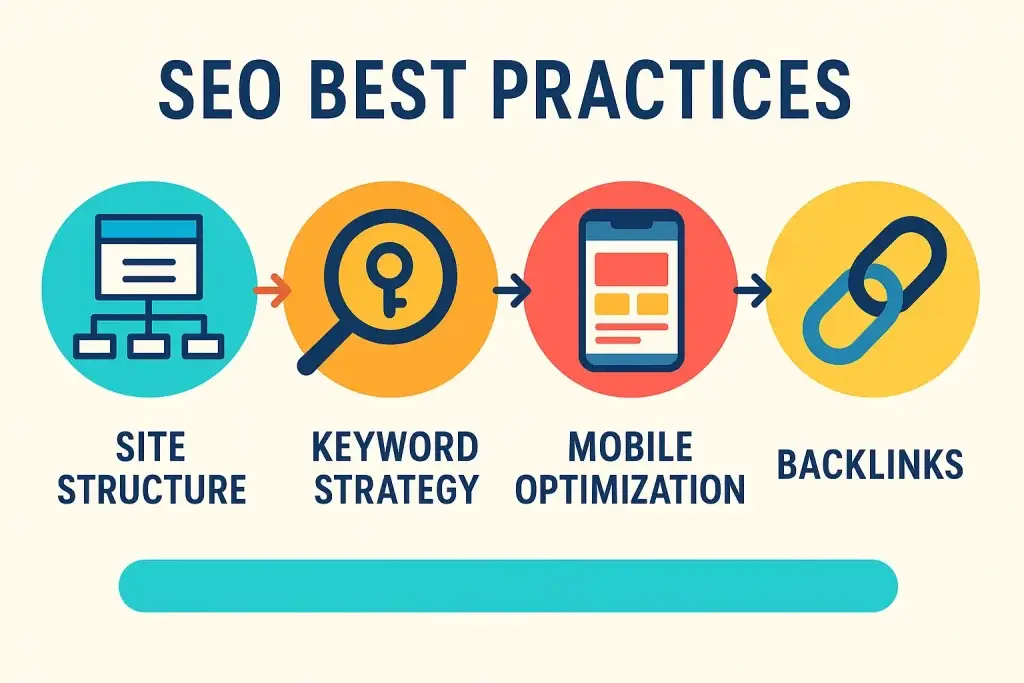
The best way to protect yourself from SEO duplicates—and other ranking threats—is by building a strong, proactive optimization routine. Here are three core best practices to follow.
1. Develop a Clear SEO Strategy
A strong SEO strategy starts with understanding your business goals, audience behavior, and competitor performance.
A clear strategy includes:
- Keyword research
- Competitor analysis
- Technical audits
- Content planning
- Performance tracking
With a defined direction, every effort becomes more focused and effective.
2. Use Modern SEO Tools
Trying to run SEO manually is nearly impossible today. Businesses need advanced tools to monitor rankings, analyze user behavior, and identify performance problems—including duplicates.
Modern tools help with:
- Tracking keyword positions
- Analyzing user engagement
- Monitoring technical issues
- Identifying duplicate pages
- Auditing backlinks
Using the right tools increases efficiency and ensures that your strategy stays on track.
3. Create an SEO-Centric Company Culture
SEO shouldn’t belong to one person or one department. It should be embraced across the entire organization, from the content team to the developers.
An SEO-centric culture:
- Ensures consistency
- Speeds up problem-solving
- Helps reduce duplicates and technical errors
- Enhances communication and productivity
Companies that make SEO part of everyday thinking achieve much stronger and longer-lasting results.
Conclusion
SEO duplicates may seem harmless at first, but they can quietly destroy your search performance if left unaddressed. By understanding their impact and building robust SEO practices, businesses can protect themselves and strengthen their digital presence.
Companies that place SEO at the center of their strategy gain long-term advantages: higher rankings, stronger visibility, increased engagement, and more conversions. When combined with the right tools, expert support, and a culture of optimization, SEO becomes a powerful driver of growth and resilience.
The digital world is always changing, but one truth remains constant—those who invest in SEO invest in their future.