
Search engines have become the main gateway between businesses and customers. When people search for products, services, or information, they expect fast and accurate results. For companies, this means one thing: if your website does not perform well in search engines, you are leaving opportunities on the table. One of the most common yet misunderstood issues that holds websites back is duplicate content—and this is where SEO canonicals play a critical role.
In this guide, we will break down what SEO canonicals are, why they matter, and how they help fix duplicate content issues while improving rankings. Along the way, we will also explore how canonical tags fit into a broader SEO strategy that supports long-term business growth.
The Growing Importance of SEO in Modern Business
Today, SEO is no longer just about ranking for a few keywords. It has become a core business function that influences marketing decisions, customer acquisition, and brand authority. Companies that treat SEO as a strategic asset are better equipped to understand their audience and respond to changing market demands.
Search engines reward websites that deliver clear, consistent, and valuable content. However, when similar or identical content appears across multiple URLs, search engines struggle to decide which version should rank. This problem—often referred to as Seo Dublicates—can weaken visibility and reduce organic traffic if not handled correctly.
By implementing proper SEO practices, businesses can turn everyday search queries into measurable growth. Canonical tags are one of those behind-the-scenes tools that make a real difference, especially for larger or more complex websites.
What Is an SEO Canonical Tag?
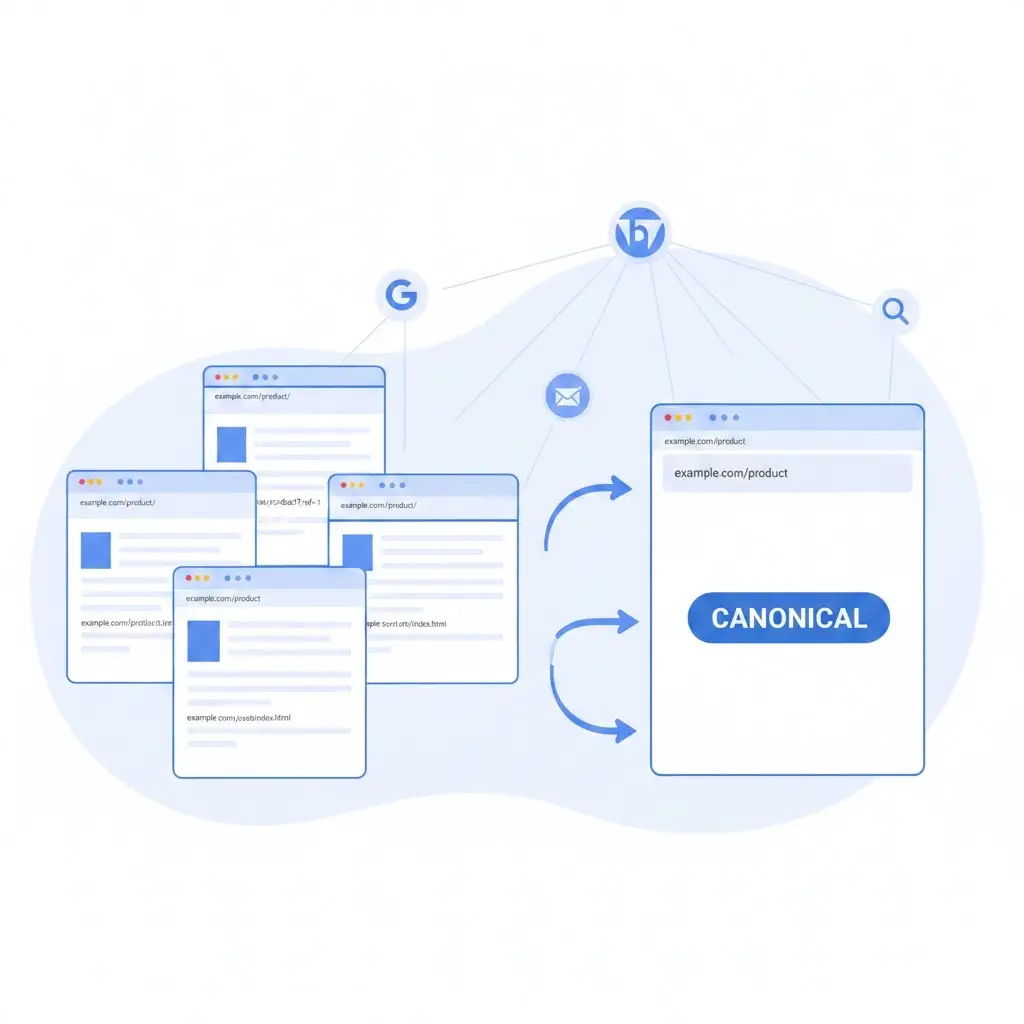
An SEO canonical tag is a piece of HTML code that tells search engines which version of a webpage is the “preferred” or original one. When multiple URLs have similar content, the canonical tag helps search engines consolidate ranking signals and avoid confusion.
For example, the following URLs might all show the same content:
- example.com/page
- example.com/page?ref=ad
- www.example.com/page
Without guidance, search engines may treat these as separate pages. A canonical tag solves this by pointing them all to a single main URL.
This approach does not remove duplicate pages. Instead, it signals to search engines which page should receive credit for rankings, links, and authority.
Why Duplicate Content Hurts SEO Performance
Duplicate content is not always intentional. It often appears due to technical reasons such as URL parameters, sorting filters, or content management system settings. Still, the impact can be serious.
Search engines aim to deliver diverse and useful results. When they encounter multiple pages with the same content, they may:
- Split ranking signals across several URLs
- Index the wrong version of a page
- Reduce crawl efficiency on your site
This is why unresolved Seo Dublicates can quietly limit your SEO potential, even if your content quality is strong.
Canonical tags act as a clear signal, helping search engines focus on the page that matters most.
How Canonical Tags Boost Rankings and Authority
Canonical tags improve SEO performance in several ways. First, they consolidate link equity. If multiple versions of a page earn backlinks, canonicals ensure that link value flows to one main URL instead of being diluted.
Second, they improve crawl efficiency. Search engines have limited resources for crawling each site. Canonical tags help them prioritize the most important pages, leading to better indexing.
Finally, canonicals improve consistency. When search engines clearly understand your site structure, they are more likely to rank your pages accurately and reliably.
Many businesses rely on an experienced Seo agency to audit their websites and implement canonical tags correctly, especially when dealing with large-scale content or eCommerce platforms.
Key Components of an Effective SEO Strategy
Canonical tags are powerful, but they work best as part of a well-rounded SEO strategy. Let’s explore the core elements that support sustainable success.
Content Quality and Relevance
High-quality content remains the foundation of SEO. Content should be written for people first, not just search engines. It must answer questions, solve problems, and provide real value.
Search engines analyze user behavior closely. Pages that keep visitors engaged tend to perform better over time. When canonical tags are combined with strong content, they help ensure that the best version of your work gets the attention it deserves.
Technical SEO and Website Security
Technical SEO ensures that search engines can access, crawl, and understand your website. Factors such as page speed, mobile responsiveness, and secure connections all influence rankings.
HTTPS, for example, is now a standard requirement. A secure website builds trust with both users and search engines. Canonical tags fall under technical SEO and should be implemented carefully to avoid conflicting signals.
A skilled Seo agency often handles technical SEO audits to identify issues that may not be visible on the surface.
Website Accessibility and Navigation
Clear navigation helps users find what they need quickly. It also helps search engines understand the structure of your site. Logical internal linking supports canonical strategies by reinforcing which pages are most important.
When navigation is clean and consistent, canonical tags become even more effective because search engines can easily connect related content.
SEO and Compliance with Search Engine Standards
Search engines provide clear guidelines on best practices. Following these standards improves your chances of long-term success. Proper use of meta tags, structured data, and canonical tags ensures that your website communicates clearly with search engines.
This is especially important for businesses operating across multiple regions or languages, where SEO International SEO strategies come into play. Canonical tags help manage similar content across different markets without causing ranking conflicts.
Integrating SEO with Other Marketing Channels
SEO should never operate in isolation. When combined with paid advertising, social media, and email marketing, it amplifies overall visibility. Canonical tags support this integration by ensuring that shared or promoted URLs point back to the correct source page.
A unified strategy prevents confusion and strengthens brand consistency across all channels.
Best Practices for Using Canonical Tags Correctly
Using canonical tags incorrectly can be just as harmful as not using them at all. Here are some practical best practices to follow:
- Always use absolute URLs in canonical tags to avoid ambiguity
- Self-reference canonical tags on important pages
- Avoid pointing canonical tags to non-relevant or unrelated pages
When managing global websites, canonical tags work alongside hreflang attributes to support SEO International SEO efforts and ensure correct regional targeting.
The Strategic Role of SEO in Business Growth
SEO is not just a technical discipline. It plays a strategic role in shaping how businesses grow online. By analyzing search data, companies gain insight into customer needs, market trends, and content opportunities.
Canonical tags may seem minor, but they contribute to a stronger overall SEO foundation. They reduce risk, improve efficiency, and help businesses make smarter decisions about content and site structure.
Organizations that treat SEO as a shared responsibility—across marketing, content, and development teams—tend to achieve better results over time.

Building an SEO-Centric Company Culture
Successful SEO requires alignment across teams. Content creators, developers, and marketers must work together toward shared goals. When SEO is part of company culture, technical details like canonical tags are handled proactively rather than reactively.
Investing in modern SEO tools and regular training ensures that everyone understands how their work impacts search visibility.
Conclusion: Turning Canonicals into Competitive Advantage
SEO canonicals may not be flashy, but their impact is significant. They help resolve duplicate content issues, strengthen rankings, and improve overall site clarity. When used correctly, canonical tags allow search engines to focus on what truly matters—your best content.
Companies that place SEO at the core of their strategy gain long-term advantages in visibility, engagement, and conversions. By combining strong content, technical excellence, and thoughtful implementation of canonical tags, businesses can build a search presence that supports sustainable growth.
In a competitive digital landscape, clarity wins. Canonical tags provide that clarity—quietly working behind the scenes to boost rankings and unlock the full potential of your SEO efforts.